
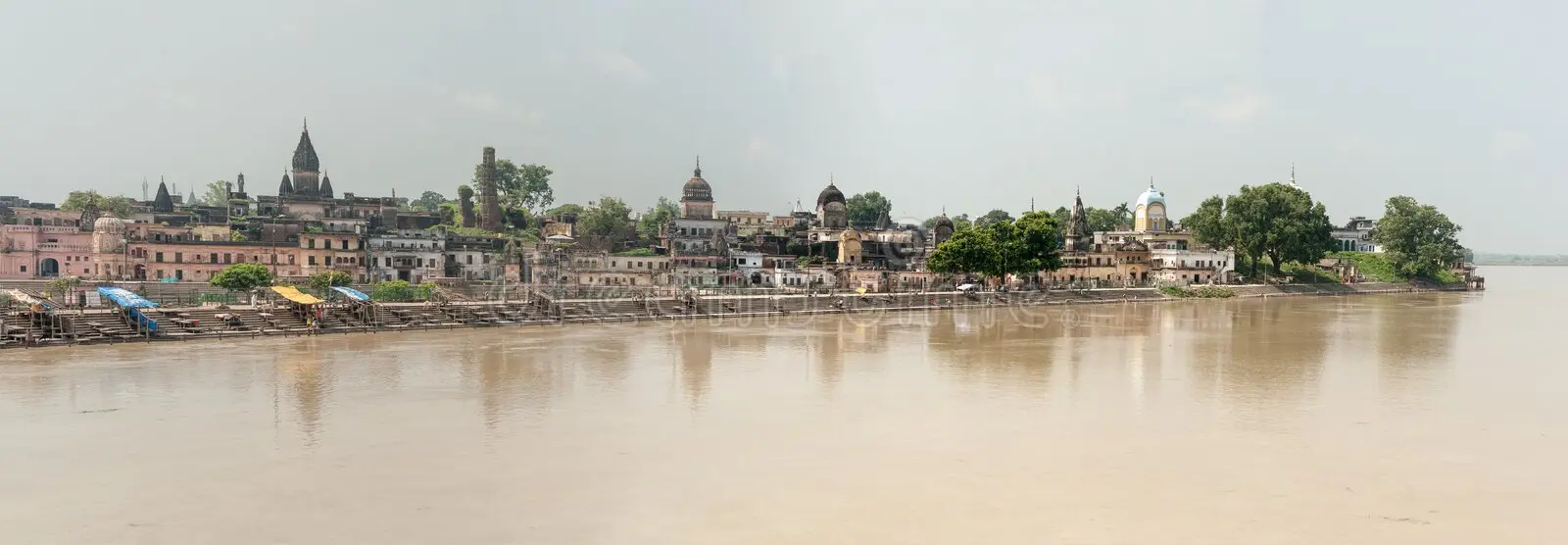
The Saryu River: A Historical and Cultural Lifeline
The Saryu River (also spelled Sarayu) is one of the most sacred and historically significant rivers in India. Flowing through the northern states of Uttarakhand and Uttar Pradesh, it holds immense religious, cultural, and ecological importance. The river is closely associated with the ancient city of Ayodhya, the birthplace of Lord Rama, making it a central element in Hindu mythology and Indian history.
Geographical Course of the Saryu River
The Saryu originates in the Himalayas, near the Nanda Kot mountain in Uttarakhand. It is a major tributary of the Ghaghara River (also known as the Karnali), which eventually merges with the Ganga (Ganges) in Bihar.
Path of the River:
Source: Uttarakhand (near Nanda Kot)
Flow Through:
Uttarakhand (Pithoragarh district)
Uttar Pradesh (Ayodhya, Basti, Gonda)
Confluence: Joins the Ghaghara River near Bahraich district
Historical Significance of the Saryu River
1. Ancient and Vedic References
The Saryu River finds mention in several ancient Hindu scriptures, including:
Rigveda (one of the oldest sacred texts)
Ramayana (as the river flowing near Ayodhya)
Mahabharata (associated with the Ikshvaku dynasty)
In the Ramayana, the Saryu is described as the river on whose banks Lord Rama was born and later took Jal Samadhi (water immersion) to depart from Earth.
2. Ayodhya and the Saryu River
Ayodhya, one of the seven sacred cities (Sapta Puri) of Hinduism, lies on the banks of the Saryu. According to legend:
King Dasharatha (Rama’s father) ruled Ayodhya, and the river was central to the city’s spiritual and daily life.
Rama’s Exile: Before leaving for his 14-year exile, Rama bathed in the Saryu.
Return to Vaikuntha: After ruling Ayodhya, Rama is believed to have entered the Saryu to return to his divine form (Vishnu).
3. Buddhist and Jain Connections
Buddhism: Some texts suggest that Gautama Buddha traveled near the Saryu region.
Jainism: The river is associated with Tirthankara Rishabhanatha, linking it to early Jain traditions.
4. Medieval and Mughal Period
During the medieval era, the Saryu remained significant:
Gupta Empire (4th-6th century CE): Ayodhya was a major center under Gupta rule.
Mughal Era: The river was part of trade routes, and Akbar’s administration maintained records of its importance.
Cultural and Religious Importance
1. Pilgrimage and Rituals
Bathing in Saryu: Devotees believe that taking a dip in the Saryu washes away sins.
Festivals:
Ram Navami: Celebrated with grand processions along the riverbanks.
Kartik Purnima: Thousands take holy dips during this auspicious time.
Ghats of Ayodhya: Prominent ghats like Guptar Ghat, Naya Ghat, and Ram Ghat are key pilgrimage sites.
2. Temples Along the Saryu
Ram Janmabhoomi Temple (Ayodhya)
Hanuman Garhi Temple
Kanak Bhavan Temple
Guptar Ghat Temple (where Rama entered the river)
Ecological and Environmental Concerns
Like many Indian rivers, the Saryu faces challenges such as:
Pollution: Industrial waste and sewage discharge affect water quality.
Encroachment: Illegal construction on riverbanks disrupts natural flow.
Deforestation: Himalayan source regions are threatened by logging.
Efforts by the Uttar Pradesh government and environmental groups aim to restore the river’s purity through Namami Gange and Saryu Riverfront Development projects.
The Saryu River is not just a water body but a living symbol of India’s spiritual and historical heritage. From the era of the Ramayana to modern-day pilgrimages, it continues to inspire millions. Protecting its ecological balance while preserving its cultural legacy remains a crucial responsibility for future generations.