
Introduction
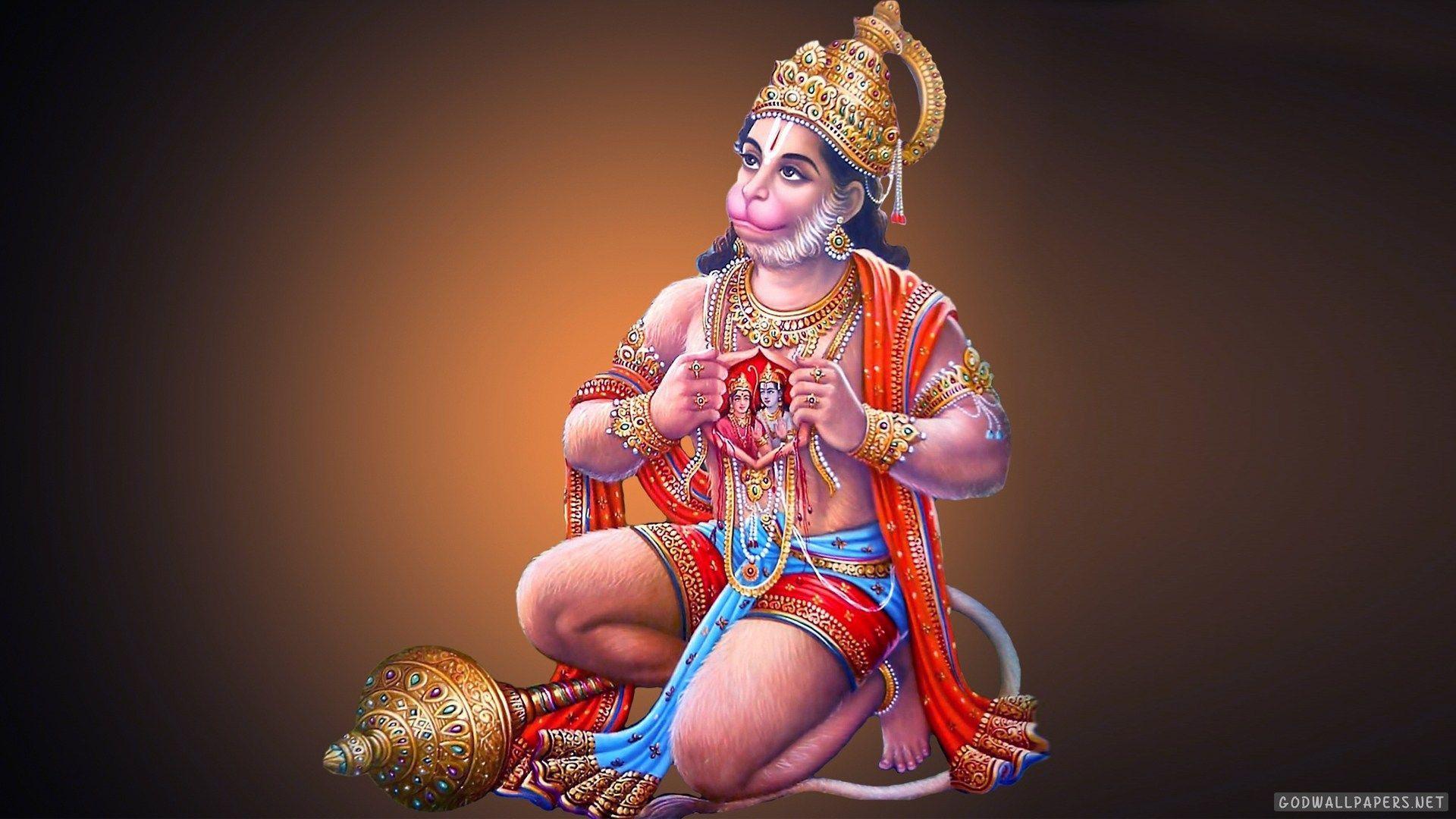
Hanuman Garhi is one of the most revered and iconic temples in Ayodhya, Uttar Pradesh, dedicated to Lord Hanuman, the mighty devotee of Lord Rama. Located at the heart of the holy city, this temple is a significant pilgrimage site for devotees and attracts thousands of visitors every year. The temple’s unique architecture, spiritual significance, and legends associated with it make it a must-visit destination for anyone traveling to Ayodhya.
Historical and Mythological Significance
Legend of Hanuman Garhi
According to Hindu mythology, Hanuman Garhi is believed to be the place where Lord Hanuman resided in a cave (Garhi means “fort” or “cave”) to protect Ayodhya and the Ram Janmabhoomi. It is said that Hanuman guarded Ayodhya while Lord Rama ruled the kingdom and continued to stay here even after Rama’s departure from Earth.
Another popular legend states that Hanuman meditated in this cave in the Treta Yuga and watched over Ayodhya in the form of a little boy. The temple is thus considered a symbol of protection and devotion.
Historical Construction
The present structure of Hanuman Garhi was built in the 10th century under the patronage of the Nawabs of Awadh. The temple was later renovated and expanded by various Hindu kings and devotees over the centuries. The architecture reflects a mix of Mughal and Hindu styles, showcasing intricate carvings and a fortress-like structure.
Architectural Marvel
Hanuman Garhi is constructed in the form of a fort with high walls and circular bastions, giving it a majestic appearance. The temple is situated on an elevated platform, and visitors must climb 76 steps to reach the main shrine. These steps are symbolic, representing the devotion and effort required to seek Hanuman’s blessings.
Main Shrine and Idol
The inner sanctum houses a 10-inch-tall idol of Lord Hanuman in a child-like form (Balak Hanuman), seated on the lap of his mother, Anjani. The idol is adorned with a silver crown and flowers, exuding divine energy. Devotees believe that praying here with a pure heart fulfills their wishes and removes obstacles.
Other Deities in the Temple Complex
Temple of Lord Rama and Sita: Adjacent to the Hanuman shrine, there is a small temple dedicated to Lord Rama, Goddess Sita, and Lakshmana.
Shrine of Goddess Kali: A small shrine dedicated to Goddess Kali is also present within the complex, symbolizing protection and power.
Spiritual Importance
Protector of Ayodhya: Hanuman Garhi is considered the guardian of Ayodhya, and no religious ceremony in the city begins without paying homage here.
Remover of Fear and Obstacles: Devotees believe that worshipping Hanuman here removes Shani dosha (Saturn’s malefic effects) and protects from evil spirits.
Popular Rituals:
Offering besan ke laddoo (gram flour sweets) to Hanuman is a common practice.
Chanting the Hanuman Chalisa and Sundar Kand is believed to bring strength and courage.
Tying a red sacred thread (mol) around the temple’s ancient tree is done for wish fulfillment.
Festivals and Celebrations
Hanuman Jayanti: The temple witnesses grand celebrations with akhand kirtan (continuous chanting), bhajan sandhya, and massive processions.
Ram Navami: Devotees visit Hanuman Garhi before proceeding to Ram Janmabhoomi.
Diwali and Vijayadashami: Special decorations and prayers mark these festivals.
Visitor Information
Best Time to Visit: October to March (pleasant weather).
Temple Timings: 4:00 AM to 10:00 PM (open all days).
How to Reach:
By Air: Nearest airport is Ayodhya International Airport (8 km away).
By Train: Ayodhya Junction (2 km from the temple).
By Road: Well-connected by buses and taxis from major cities like Lucknow and Varanasi.
Hanuman Garhi is not just a temple but a spiritual fortress that embodies devotion, strength, and divine protection. Its historical roots, architectural grandeur, and religious significance make it a cornerstone of Ayodhya’s sacred landscape. For devotees and tourists alike, a visit to Hanuman Garhi is a journey into faith, mythology, and the eternal presence of Lord Hanuman.