
A traveler’s guide to Ayodhya 2026
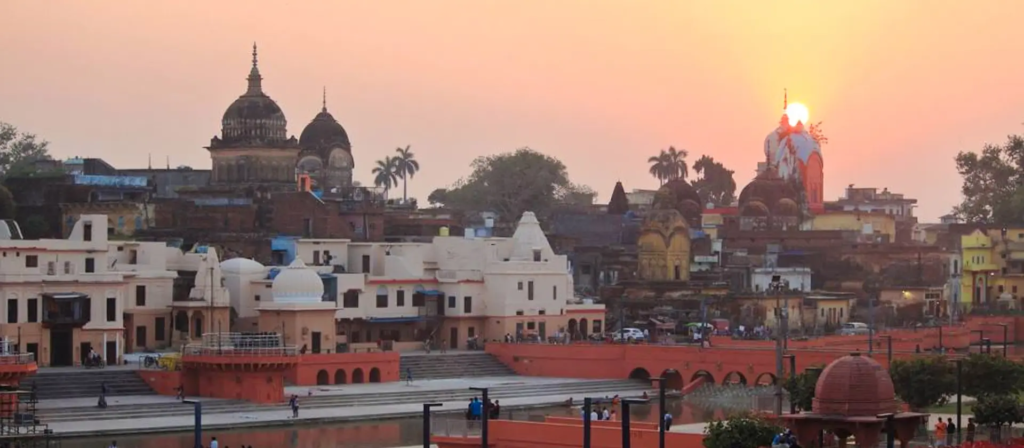
Ayodhya is not a destination you simply see, it is a place you slowly experience. For first-time travelers, the city can feel deeply moving, sometimes overwhelming, and often transformative. It is ancient, sacred, and alive with daily rituals that shape the rhythm of life here.
If you are planning your first visit, this guide is written especially for Ayodhya for first-time visitors. It answers the most common questions people ask before they arrive – what to expect, when to visit, where to go, and where to stay. So your journey feels calm, respectful, and fulfilling.
Ayodhya Travel Guide for First-Time Visitors: Things You Must Know
Ayodhya is one of the oldest living cities in India and is revered as the birthplace of Lord Ram. Unlike typical tourist cities, Ayodhya is guided by devotion rather than entertainment. Days begin early, temples follow strict darshan timings, and silence is valued as much as celebration.
Some Ayodhya first visit essentials you should know before arriving:
- Ayodhya is a walking-friendly city, but mornings start very early
- Temple visits may involve waiting; patience is part of the experience
- Modest clothing and respectful behavior are expected everywhere
- The city feels most peaceful before 9 am and after sunset
Approaching Ayodhya with the right mindset makes all the difference. This is not a rushed itinerary city, it is a place to slow down.
Best Time to Visit Ayodhya for Darshan & Sightseeing
Choosing the Best time to visit Ayodhya is one of the most important decisions for first-time travelers.
- October to March: The most comfortable period, ideal for darshan and walking
- Festival periods (Ram Navami, Deepotsav): Spiritually powerful but very crowded
- April to June: Hot weather, but fewer crowds for darshan
- Monsoon months: Lush surroundings, but travel may slow down
For first-time visitors, winter months offer the best balance of weather, accessibility, and atmosphere. Early mornings on weekdays are usually the calmest for temple visits.
Exploring the Best Places to Visit in Ayodhya
A first visit does not require covering everything. Focus on a few meaningful landmarks to understand the city’s spiritual core.
Some of the best places to visit in Ayodhya during your first trip include:
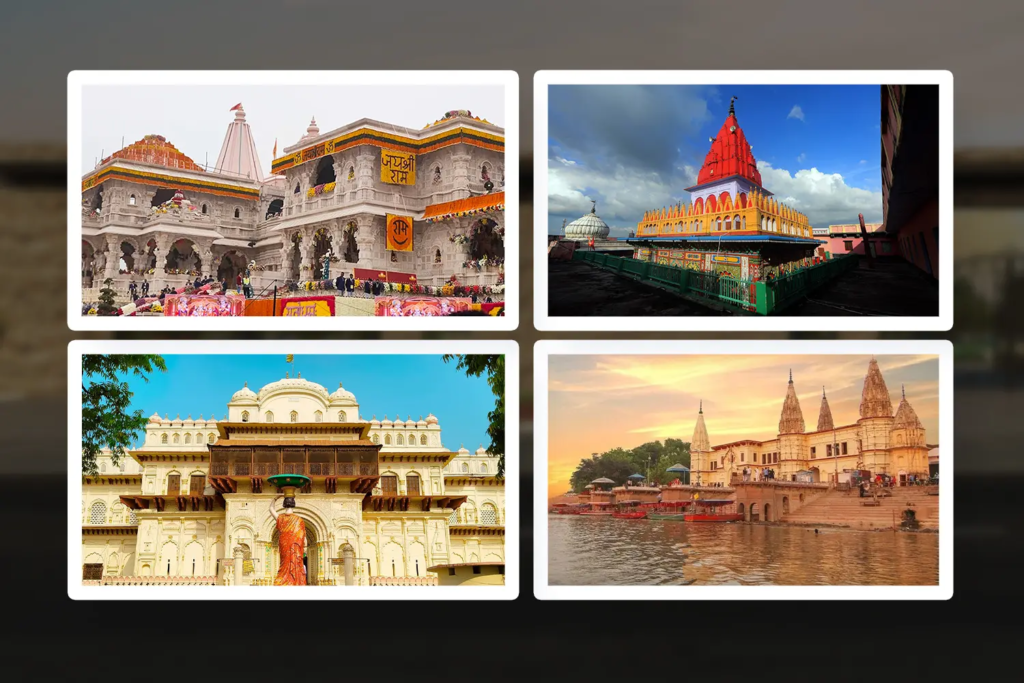
- Ram Mandir: The spiritual heart of the city and the primary reason many visit
- Hanuman Garhi: Traditionally visited before Ram Mandir
- Sarayu River: Ideal for evening aarti and quiet reflection
- Kanak Bhavan: Known for its devotional atmosphere and distinctive architecture, the site is believed to have been gifted to Mata Sita by Queen Kaikeyi on the occasion of her muh-dikhai.
These sites together provide a complete introduction to Ayodhya’s spiritual and cultural identity.
Visiting Places Near Ayodhya You Can Include in Your Trip
If you have more than two days, there are several visiting places near ayodhya that can be included without rushing your schedule.
Short excursions to nearby ghats, heritage spots, and Ramayana-linked locations are often added by travelers staying longer. These places deepen your understanding of the region but are best treated as optional for first-time visitors.
For your first trip, it’s wise to keep nearby travel light and flexible.
Places to Stay in Ayodhya: Hotels, Resorts & Comfortable Options
Where you stay can strongly shape your experience, especially on your first visit. Many travelers search for places to stay in ayodhya that offer both comfort and convenience.
You will find:
- Budget hotels close to temple zones
- Mid-range hotels near ram mandir offering proximity but limited quiet
- Premium resorts offering space, greenery, and calm
While staying near the temple is convenient, it can be noisy and crowded during peak hours. First-time visitors often prefer slightly removed locations that allow proper rest after long darshan hours.
Practical Travel Tips for First-Time Visitors
Before you go, keep these Ayodhya first visit essentials in mind:
- Start temple visits early in the morning
- Wear light, modest, and comfortable clothing
- Carry water, especially during warmer months
- Avoid overloading your itinerary
- Book accommodation in advance during festivals
These small preparations ensure your visit feels peaceful rather than tiring.
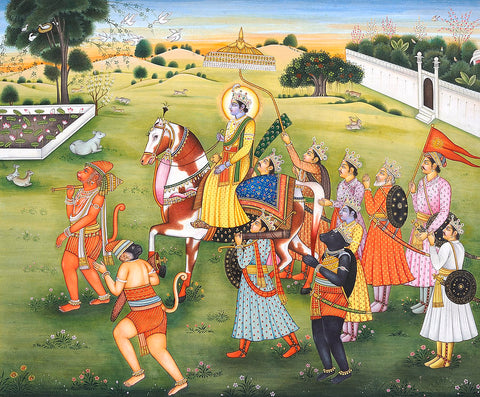
The significance of Ayodhya lies in its historical role as the capital of the mighty Ikshavaku Dynasty, to which Lord Ram, the revered hero of the Ramayana, belonged. Hindu religious scriptures delineate recorded history into distinct yugas or epochs—Satya Yuga, Treta Yuga, Dwapara Yuga, and Kali Yuga—with the Ramayana chronicling events in the Treta Yuga, the second epoch.The Treta Yuga gave way to the Dwapara Yuga, during which the epochal events of the Mahabharata unfolded. According to Hindu beliefs, we currently live in the Kali Yuga.
King Ikshavaku, identified as ‘son of the first human Manu,’ laid the foundation of the Solar or Suryavanshi Dynasty, ruling over the Kosala mahajanapada, with Ayodhya as its majestic capital. It was within the hallowed precincts of Ayodhya that King Dashrath and his consort Kaushalya were blessed with Lord Ram. Driven into exile by his stepmother, Kaikayi, Lord Ram emerged triumphant over the formidable King of Lanka, Ravana, ultimately returning to Ayodhya to ascend the throne.
The descendants of Lord Ram continued the dynasty’s legacy, ruling over Ayodhya for centuries. However, the passage of time witnessed the gradual abandonment of Ayodhya, and the once-thriving city faded into insignificance.
Beyond its association with Hinduism, Ayodhya is also a significant site for various other religions. It has played a role in the cultural and historical narratives of diverse communities, fostering a rich tapestry of religious and cultural interactions over the centuries. Recognizing and respecting the diversity of religious beliefs, Ayodhya becomes a symbol of coexistence and interfaith dialogue.
Visual Arts:
In the realm of visual arts, Ayodhya has been immortalised through intricate paintings, sculptures, and murals that vividly capture the city’s essence. Artists, inspired by the spiritual aura and historical significance of Ayodhya, have skillfully depicted its sacred temples, gurudwaras, and mosques in the divine presence.
These artistic representations serve as more than mere depictions of architectural marvels; they transcend the tangible structures to convey the profound spiritual and cultural importance embedded in the fabric of Ayodhya. The brushstrokes and chisel work not only bring to life the grandeur of the city’s temples but also evoke a sense of reverence and devotion, mirroring the deep-rooted connection Ayodhya holds in the hearts of the faithful.
Through the eyes of these artists, Ayodhya emerges as a timeless muse, inviting viewers to explore the intricate details of its sacred landscapes and absorb the divine narratives woven into its cultural tapestry. These visual masterpieces become windows into the soul of Ayodhya, offering a glimpse into the spiritual resonance and historical legacy that continue to shape its identity.
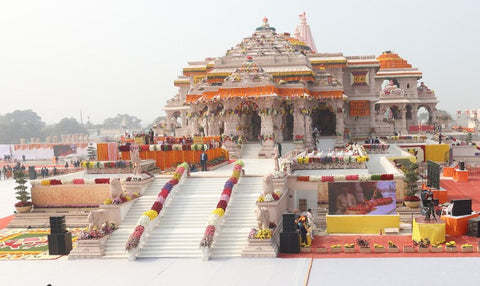
Ayodhya, adorned with spiritual allure, boasts temples that beckon those intrigued by religious history. Embark on an exciting adventure, unravelling the mysteries of the past. These sacred sites promise a captivating spiritual tour, inviting exploration into Ayodhya’s profound heritage and deep-rooted spirituality.
1. The Sacred Ram Janmabhoomi
Envision standing on the hallowed ground where Lord Ram, the seventh incarnation of Lord Vishnu, is said to have drawn his first earthly breath. The tranquil ambiance is marked by the soft rustling of leaves and the fragrant embrace of flowers. Ram Janmabhoomi embodies Ayodhya’s spiritual core—a realm of profound devotion. A visit here is a journey through history, a divine connection, and a walk in the footsteps of the revered.
2. Nageshwar Nath Temple
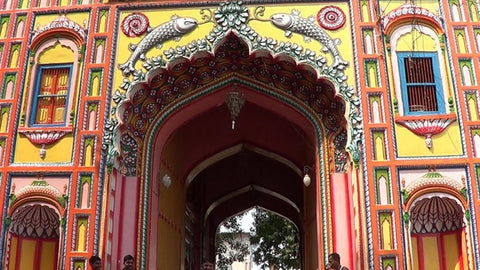
Located at Ram Ki Paidi in Ayodhya, the Nageshwarnath Temple traces its origin to Kush, Lord Ram’s son. Legend holds that Kush, while bathing in the Saryu, lost his armlet, retrieved by a Nag-Kanya who fell in love with him. As a devotee of Shiva, Kush built this temple in her honour. Originally established during Vikramaditya’s era, the present structure dates back to 1750 CE, constructed by Safdar Jung’s minister, Naval Rai. The grand celebration of Shivratri, marked by a spectacular Shiv Barat procession, attracts numerous devotees during this auspicious time.
3. Ram ki Paidi
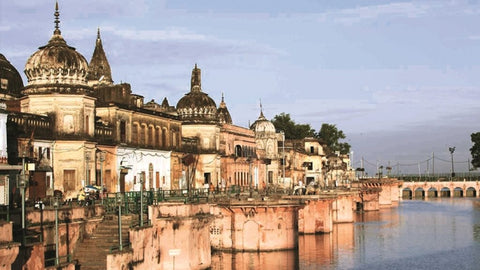
Ram ki Paidi, a series of ghats along the Saryu River, unveils a stunning landscape, particularly enchanting in floodlit nights. Devotees gather on these platforms to cleanse their sins through ritualistic river dips.
4. Hanuman Garhi
Nestled in Sai Nagar, Hanuman Garhi is a 10th-century temple devoted to Lord Hanuman. An essential pilgrimage site in Ayodhya, it precedes visits to the Ram Temple. Believed to be Hanuman’s abode, the hilltop temple features a 76-step ascent leading to a panoramic view. Celebrations during Ram Navami and Hanuman Jayanti draw many to this sacred site.
5. Treta ke Thakur
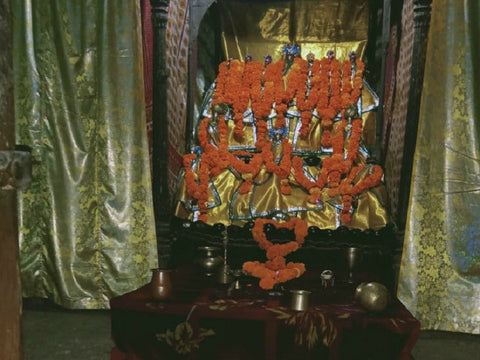
Immerse yourself in the wonders of Treta Ke Thakur, a temple that transports you to Lord Ram’s era. Housing intricately carved sculptures narrating the Ramayana, it’s a living museum where legends come alive through art. A must-visit for history enthusiasts, offering an enchanting journey into Ayodhya’s past and the epic tale of Lord Ram.
6. Gulab Bari
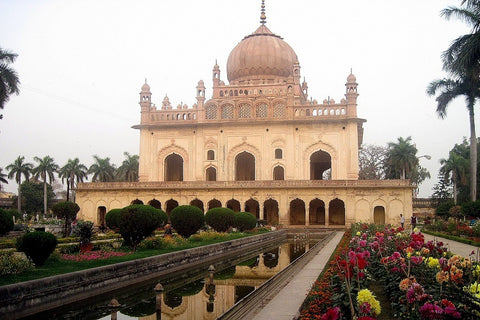
Gulab Bari, the tomb of Nawab Shuja-ud-Daula in Ayodhya, is a haven of roses adorning water fountains. The mausoleum of the third Nawab of Oudh, it consists of a charbagh garden with fountains. The locals treat it as a holy place. It is said that the monument is connected to a baoli in Lucknow and used to be a hiding place for the successors of the Nawab Shuja -ud-daula.
7. Kanak Bhawan
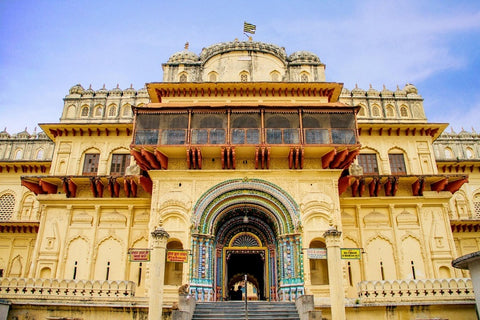
Kanak Bhawan, dedicated to Lord Ram and Sita, is believed to be a gift from Mata Kaikei to Sita after her marriage. Renovated by Vikramaditya and later entirely rebuilt in Bundela style by Vrish Bhanu Kunwari in 1891 CE, it exemplifies Bundelkhand architecture. The central hall features arched doorways, while the sanctum houses gold-crowned idols, including the largest pair installed by Rani Vrish Bhanu Kunwari, adorning the temple with opulence and earning it the name “Kanak Bhawan,” meaning a house made of gold.
8. Mani Parvat
Nestled in Kami Ganj, Ayodhya, Mani Parvat is a revered hillock, 65 feet above sea level, with religious significance. According to the Ramayana, it is believed to be a part of the mountain carried by Lord Hanuman to heal Lakshman. Home to shrines, a stupa by Emperor Ashoka, and a Buddhist monastery, the hillock offers panoramic views of Ayodhya. An Islamic mausoleum graces its foothills.
9. Raja Mandir
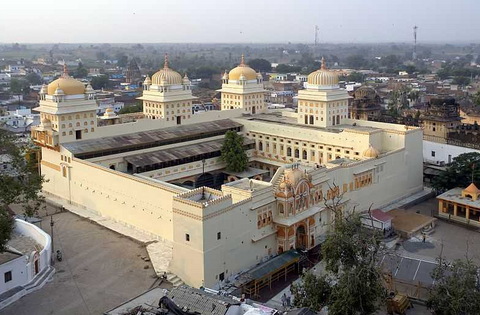
Situated on the Ghaggar (Sarayu) River’s banks in Guptar Ghar, Ayodhya, Raja Mandir holds mythological significance. Adorned with intricately carved idols of Hindu deities, draped in silk and adorned with jewellery, the temple showcases remarkable Pancharatha style, Hindu architecture. Once linked to Lord Sri Ram, it now houses statues of various deities. The riverside location offers a captivating reflection of the shrine, and devotees believe in the purifying power of the holy waters.
10. Tulsi Smarak Bhawan
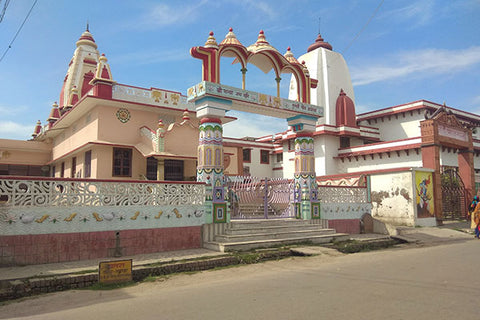
Built in 1969 CE at Rajgang Crossing, Ayodhya, the Tulsi Smarak Bhawan commemorates the 16th-century saint-poet Goswami Tulsidas, believed to have composed the Ramcharita here. Established by Sri Vishwanath Das, the Governor of Uttar Pradesh, the site includes a vast library and the ‘Ayodhya Research Sansthan’ for literary and cultural studies. The museum, Ram Katha Sanghralaya, added in 1988 CE, showcases artefacts related to Lord Sri Ram’s life. The centre hosts daily Ramkatha recitations and celebrates Tulsi Jayanti with fervour.
11. Guptar Ghat
Guptar Ghat, on the Sarayu River in Ayodhya, holds sacred significance. It was here that Lord Ram performed ‘Jal Samadhi,’ attaining heavenly abode. Popular temples like Sita-Ram, Chakrahari, and Narsingh enhance the spiritual ambiance. Revamped in the 1800s and modernised by the Uttar Pradesh Government, Guptar Ghat offers a serene setting with steps leading to the holy river.

12. Begum ka Maqbara
Bahu Begum ka Maqbara is the tomb of Begum Unmatuzzohra Bano, commissioned by Nawab Suja-ud-Daula in 1816 CE as a tribute to his wife. Costing three lakh rupees, it’s often called the ‘’Taj Mahal of the East’’ for its grandeur. The tallest monument of Ayodhya, it stands as a stunning example of architectural excellence.
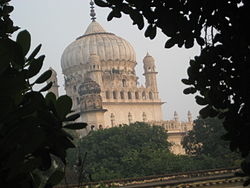
13. Dashrath Bhavan
In Ramkot, the Dashrath Bhavan, also known as Bada Asthan, is King Dashrath’s original residence.. Hosting beautiful shrines of lord Ram, it’s believed to be his childhood home and Dasharath’s capital. The palace, adorned with paintings, becomes a festive hub during events like Ram Vivah, Karthik Mela, Diwali, Ram Navami, and Shravan Mela.
14. Jain Temples
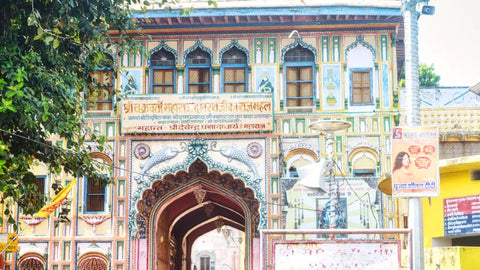
Ayodhya holds significance for Jains as the birthplace of five Thirthankars: Adinath, Ajitnath, Abhinandannath, Sumatinath, and Anantnath. Constructed by Kesari Singh, the then treasurer of Nawab of Faizabad, the Digamber Jain temple in Raiganj is dedicated to the first Tirthanker, Rishabhdev. This site features a 31-foot marble statue of Rishabhdev, known as Badi Murti. Jain temples in Ayodhya are spread across the city, some of the main attractions of the pilgrims are lord Adinath temple near Swargdwar, lord Ananthnath temple at Golaghat, lord Sumantnath temple near Saptasagar and lord Abhinandan nath temple in sarai locality.
15. Gurudwaras
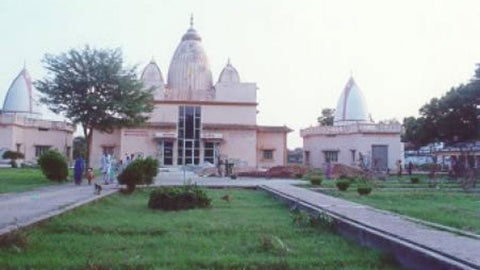
Ayodhya also has an array of gurudwaras spread across the bank of Saryu. Sri Guru Nanak Sahib Ji, Sri Guru Tegh Bahadur Ji and Sri Guru Gobind Singh Ji (as a child) visited Ayodhya at different times. The memorial dedicated to Guru Nanak is only a Nishan Sahib fixed on a platform constructed in 1972 CE marking the site of Guru Nanak’s visit.
Guru Tegh Bahadur visited Ayodhya in 1670 CE while on his way back to Punjab from the eastern region. It is said that after offering obeisance at the then existing Gurdwara of Guru Nanak he sat nearby in meditation for 48 hours. Before he left, the udasi serving the Gurdwara made a request for a keepsake, and the Guru left his wooden sandals with him. The pair is still kept in Gurdwara Sri Guru Gobind Singh Sahib, Ayodhya.
Ayodhya, at its core, is a blend of spirituality and history. From the revered Ram Janmabhoomi and beautiful Kanak Bhawan to the sacred Mani Parvat, the city echoes with the stories of Lord Ram. Treta Ke Thakur’s art, Ram ki Paidi’s scenic ghats, and Tulsi Smarak Bhawan weave a tapestry for those connecting with India’s rich heritage. Beyond its Hindu significance, Ayodhya also embraces the diversity of religious beliefs. The city is home to prominent Gurudwaras, Jain temples, and important historic monuments representing various faiths. This inclusivity adds depth to Ayodhya’s cultural landscape, illustrating the coexistence of multiple religious traditions and fostering an atmosphere of mutual respect.